
Pension for foreigners: how the Italian law works
How does the pension work for foreigners residing in the country?
The subject matter is very multifaceted, diverse and depends on the agreements made by Italy with various countries.
There are two broad categories: the EU worker (having the exact same rights and duties as an Italian worker) and the non-EU foreign national who comes to Italy and works and then stays or returns to his or her home state.
Pension for EU foreigners
EU citizens enjoy the exact same conditions as Italian workers: both in pay and various working conditions, including pension.
In general, all insurance or contribution periods accrued in the different countries are added together for these workers, and they receive a final “pro-rata” treatment appropriate to the work performed in the various nations and the relevant contributions. The pension is paid in the state of “last residence” or in which the application was made.
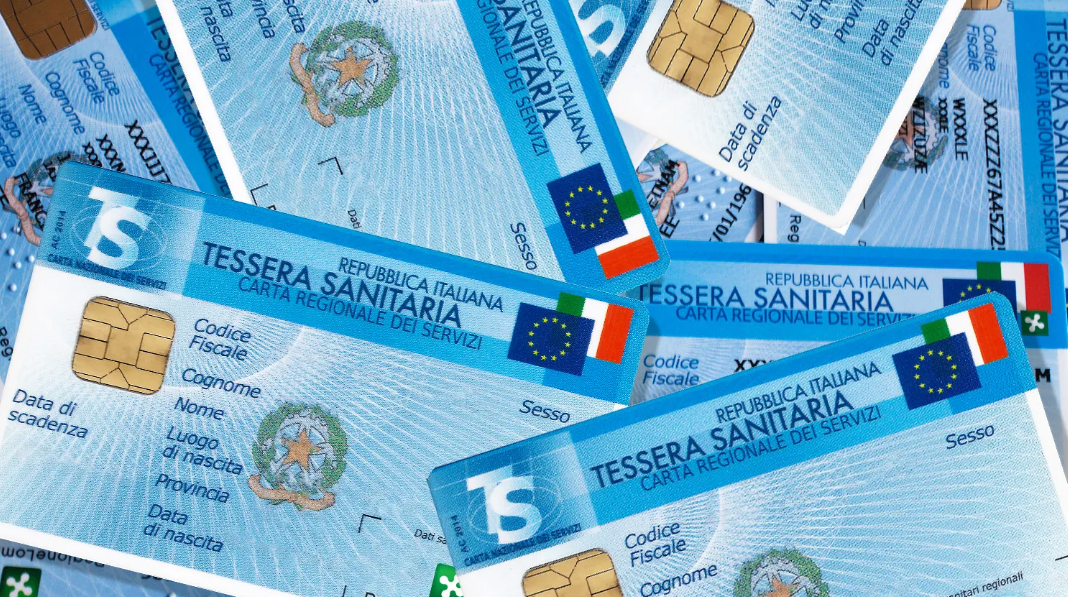
EU citizens enjoy a smoother transition to retirement in Italy, thanks to EU regulations. EU citizens can move freely and settle in Italy without the need for a visa. By registering with the registry office and ASL, EU retirees can enjoy the same health services as Italian citizens. These advantages make Italy a particularly attractive destination for EU retirees.
Pension for non-EU foreigners
Pensione per i cittadini extra-comunitari con convenzioni
Un cittadino extra-comunitario che è regolarmente assunto in Italia ha diritto al versamento di tutti i contributi previdenziali.
Per alcuni paesi, ad esempio, esistono determinate convenzioni che producono una situazione legale del tutto simile a quella degli stati comunitari.
In questi casi il lavoratore, sia che resti in Italia, sia che torni al suo paese d’origine avrà diritto alla sua pensione nella sua completezza.
Pensione per i cittadini extra-comunitari che restano in Italia
I cittadini extracomunitari, anche se non diventati cittadini italiani, godono appieno della parità di trattamento con i lavoratori italiani: un cittadino extracomunitario che proviene da un paese senza convenzione, dopo aver versato i contributi ed essere arrivato correttamente all’età pensionabile, percepirà normalmente il trattamento dovuto, se resterà nel nostro Paese.
Pension for repatriating foreigners
Un caso particolare è costituito da quei cittadini extra-comunitari provenienti da paesi con cui non siano in atto convenzioni che rimpatrino definitivamente.
Si tratta di lavoratori non stagionali, che hanno lavorato regolarmente in Italia per un periodo corrispondente al minimo del contributivo (almeno 5 anni). La legge Bossi-Fini ha introdotto due casistiche:
- i lavoratori extracomunitari assunti dopo il 1° gennaio 1996 possono percepire, in caso di rimpatrio, la pensione di vecchiaia (calcolata col sistema contributivo) al compimento del 66° anno di età e anche se non sono maturati i previsti requisiti (dunque, anche se hanno meno di 20 anni di contribuzione) purché non rientrino in Italia (in quel caso perdono il diritto). Ovviamente percepiranno esclusivamente l’importo proporzionato a quanto versato.
- i lavoratori extracomunitari assunti prima del 1996 possono percepire, in caso di rimpatrio, la pensione di vecchiaia (calcolata con il sistema retributivo o misto) solo al compimento del 66° anno di età sia per gli uomini che per le donne e con 20 anni di contribuzione.
Pros and cons of retirement in Italy
This choice offers many advantages but also involves difficulties. By evaluating these aspects, you will be able to make a well-informed decision.
Pro
- Cultural immersion. Italy’s history is thousands of years old and offers endless opportunities for exploration.
- Cuisine. Embrace the healthy Mediterranean lifestyle with Italy’s diverse culinary offerings.
- High-quality health care. The Italian health care system offers comprehensive services, a crucial factor in the aging population.
Against
- Language barrier. Engaging with locals and coping with everyday life can be difficult without a basic knowledge of the Italian language. knowledge of the Italian language.
- Complex bureaucracy. Italian administrative processes can be daunting and often require patience and perseverance.
To learn more , visit theINPS website.