
Women in diplomacy: the message of H.E. Monica Robelo
Nicaraguan Ambassador’s full speech at the conference “Women and Diplomacy: Voices from the World”
Introduction
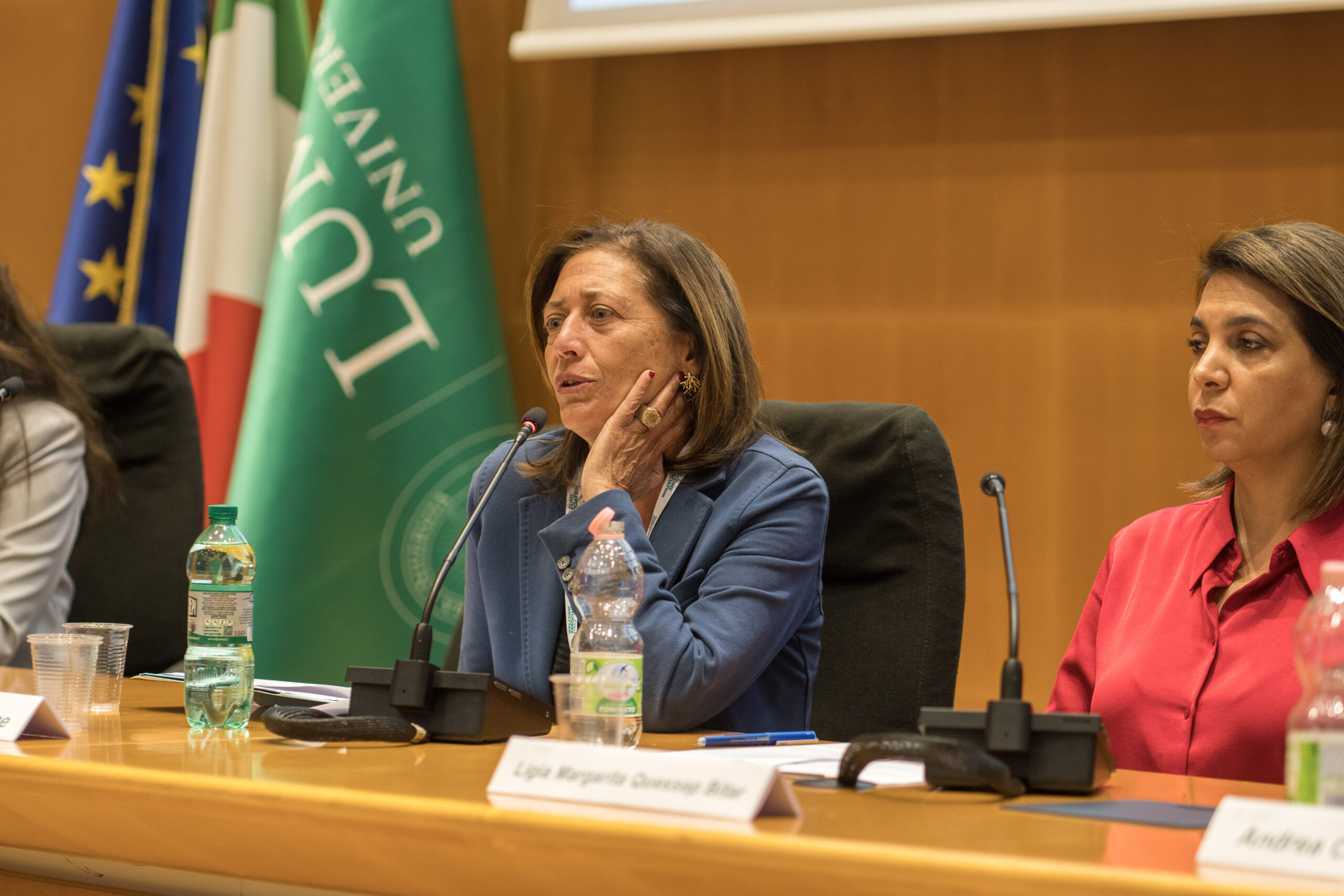
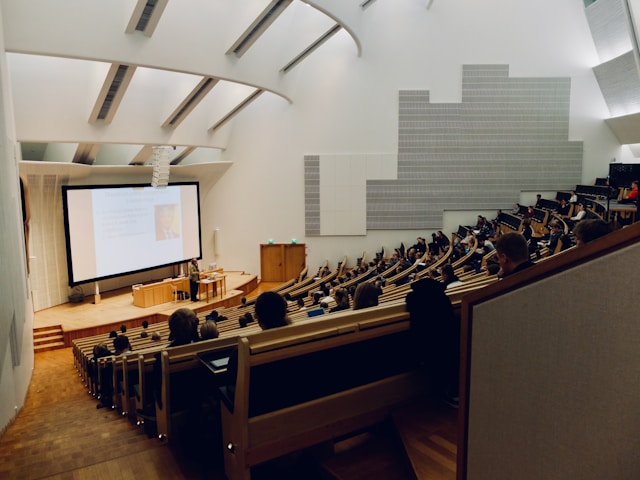
During the International Roundtable “Women and Diplomacy: Voices from the World,” held on Oct. 2, 2025 at LUMSA University in Rome, the Ambassador of Nicaragua, H.E. Monica Robelo Raffone, shared a profound and inspiring talk on the role of women in contemporary diplomacy.
The Ambassador subsequently sent Welcome Association Italy the full text of her speech, which we are publishing today to make it accessible to all interested people.
The official proceedings of the conference, which will collect all the diplomatic and academic contributions of the day, will also be released soon.
Full speech by H.E. Monica Robelo Raffone
Good afternoon to all and sundry.
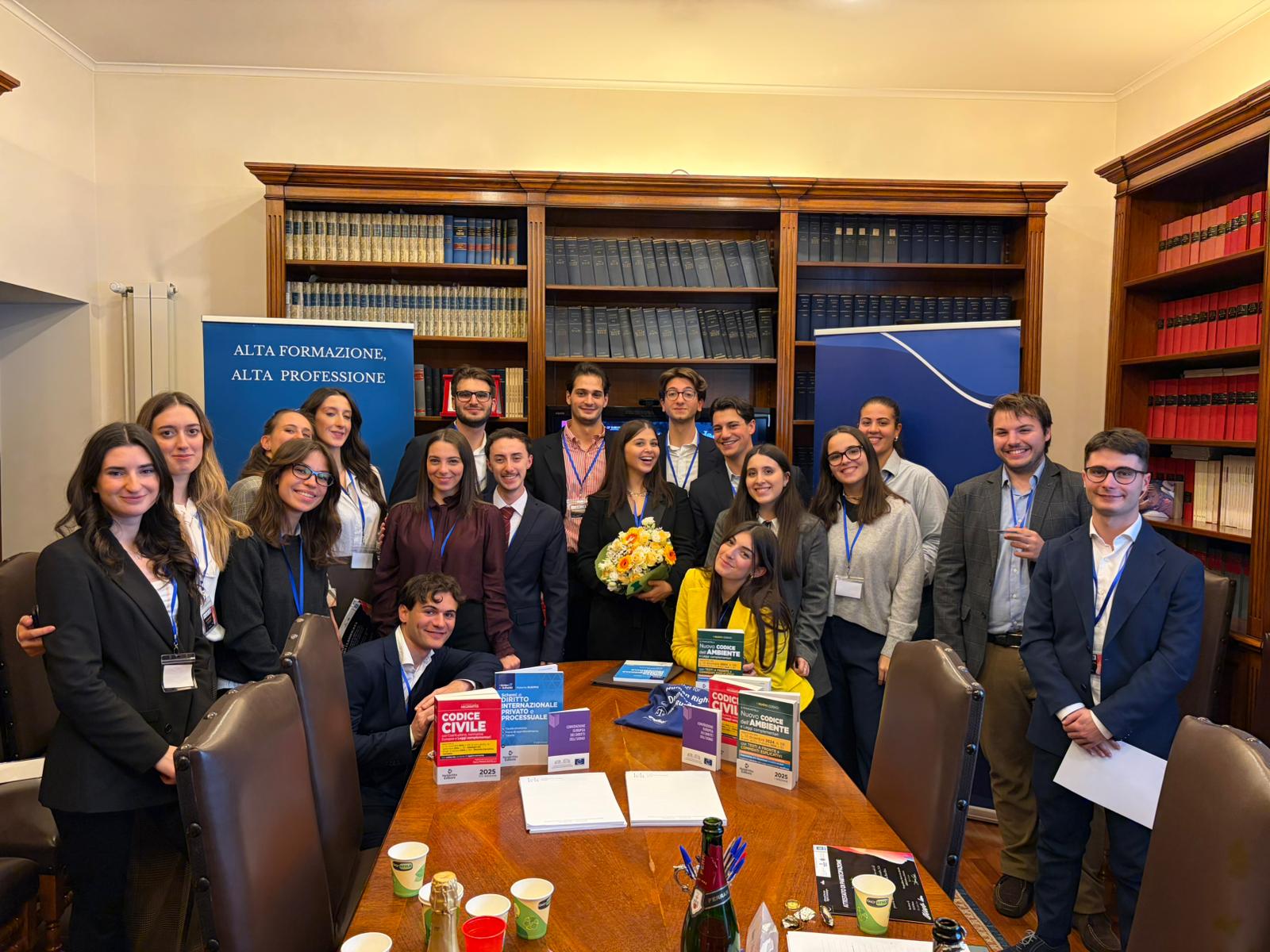
I would like to begin by thanking the organizers of this valuable initiative, Welcome Association Italy. The presence of so many young students underscores the importance of intercultural and intergenerational dialogue.
Likewise, I would like to salute the participation of so many female colleagues from different nations: each testimony allows us to understand how diplomacy is changing through the voices and efforts of women.
In this sense, it is worth mentioning that the International Day of Women in Diplomacy, proclaimed by the United Nations in 2022, recognizes the essential role we play in peacebuilding, international cooperation and sustainable development. At the same time, it reminds us that gender equality in diplomacy is not just a matter of justice, but a precondition for more effective global outcomes.
This recognition is also enshrined in Security Council Resolution 13/25.
My diplomatic vocation stems from a deep sense of identification and belonging to the history and values of my country, Nicaragua, and a desire to represent a nation that has always placed the dignity of its people, solidarity and dialogue at the center.
I embarked on this journey convinced that dialogue and cooperation can transform even the most complex challenges into opportunities for understanding and shared action.
For many years I have had the privilege of representing my country in Italy and at the Rome-based United Nations bodies – FAO, WFP and IFAD – central institutions in the fight against hunger and poverty.
From these venues I have been able to see that facing such massive challenges requires not only competence and determination, but also solid political will, coordinated responses and a shared vision, always based on the values of unity, solidarity and respect for self-determination.The welfare of peoples and a just and lasting peace can only be achieved when fundamental rights are guaranteed and nations cooperate on a basis of equality and mutual respect.
Being a woman in diplomacy means not only reconciling different roles, but also addressing stereotypes and cultural barriers that still persist today. However, I believe the biggest challenge is being able to make our voices heard in a geopolitical context of asymmetrical power, where the priorities of smaller countries risk being marginalized compared to the interests of the big powers.
Personally, I am privileged to belong to a country where, historically, women have played a central role in decision-making, politics and development, including in the diplomatic sphere, demonstrating that women’s vision not only overcomes barriers, but can effect significant change at the international level.
After the 1979 Sandinista Popular Revolution, Nicaragua went through a period of profound political and social transformation, marked by international pressure and a 10-year civil war financed and led by the United States with the aim of destabilizing the country.
In that complex context, women diplomats played a key role: they defended the revolutionary process, denounced foreign interventionism and helped forge alliances with Non-Aligned Countries, the socialist bloc and other supportive nations.
These women represented not only a revolutionary government, but embodied a new vision of women as active, critical and committed to building a more just society.
Among them I would like to mention Nora Astorga Gadea, guerrilla, lawyer, judge and diplomat, Nicaragua’s Ambassador to the United Nations from 1986 until her untimely death in 1988. Her contribution was decisive in the case Nicaragua vs. United States , which sanctioned the illegality of U.S. support for Contra.
Those pioneers laid the foundation for a generation that, through political will and legislative reforms, consolidated the presence of women in Nicaraguan diplomacy, proving that their voices can be decisive.
Today, Nicaragua stands out globally for its commitment to promoting gender equality.
According to the joint UN Women and Inter-Parliamentary Union (IPU) report “Women in Politics: 2025,” Nicaragua ranks first in the world for the percentage of female ministers (64 percent) and third for female representation in Parliament.This is an extraordinary achievement considering that globally, only 21 percent of embassies are headed by women and just 13.5 percent of peace processes involve female mediators.
For us, the presence of women goes beyond the issue of equality: it is an essential resource for justice, stability and development.
To young people who aspire to pursue this career, I say: diplomacy requires dedication, study and a great deal of adaptability. It is essential to cultivate intellectual curiosity, learn languages and learn about different cultures.
Remember that success in diplomacy is measured not only in the agreements signed, but in the relationships we are able to build and the ability to contribute to a future of peace, justice and respect for international law.
We, women, can play an essential role in building peace and dialogue. Throughout history and in contemporary diplomacy, we have demonstrated that our contribution is not only quantitative, but especially qualitative.
We bring a unique balance to the negotiating table: firmness and listening skills, realism and vision, technical expertise and human sensitivity. In a world beset by conflict, climate crisis, and inequality, this combination is critical to achieving sustainable solutions.
Therefore, the presence of women in diplomacy should not be considered a symbolic gesture, but a strategic choice to strengthen cooperation, foster consensus and generate concrete results.
Who is H.E. Monica Robelo Raffone
Monica Robelo Raffone is Ambassador of the Republic of Nicaragua to the Republic of Italy and Permanent Representative to the United Nations Agencies in Rome (FAO, IFAD and WFP).
A trained jurist, she graduated from La Sapienza University in Rome and has collaborated with the European Commission on projects in the areas of human rights and international cooperation.
She has represented her country in Italy since 2015, promoting dialogue, solidarity and gender equality in global diplomacy.
Toward the official proceedings of the conference
Ambassador Robelo’s speech will be part of the official proceedings of the Round Table “Women and Diplomacy: Voices from Around the World,” a publication that will bring together speeches by female ambassadors, academics and institutional representatives from around the world.
The aim of the collection is to create a shared memory of contemporary female diplomacy, strengthening the link between Italy, Europe and international communities.
Conclusion
H.E. Monica Robelo ‘s words remind us that diplomacy is an art of listening, empathy and vision, in which women contribute to building a more just and lasting peace.
Welcome Association Italy thanks the Ambassador for sharing her speech and for her contribution to the path of enhancing the role of women in diplomacy.