
Avoiding Italian student visa rejection: tips for non-EU students
If you’re planning to study in Italy from outside the European Union, getting your Italian student visa right the first time is one of the most important steps in your journey. Many applications aren’t rejected because of major problems, but because of small, avoidable mistakes that could have easily been prevented with the right preparation.
In this guide we’ll walk you through what you need to know, what commonly goes wrong, and most importantly how to avoid getting rejected.
What are the student visa requirements for Italy?
Generally, if your goal is to enroll in an Italian university the type of visa you need is a long-stay visa (type D), specific for programmes longer than 90 days. You will need to apply through the Italian Embassy or Consulate of your home country.
Let’s break down the basic requirements so you know exactly what the Italian authorities expect from you when you submit your student visa application.
Documents you need for an Italian student visa application
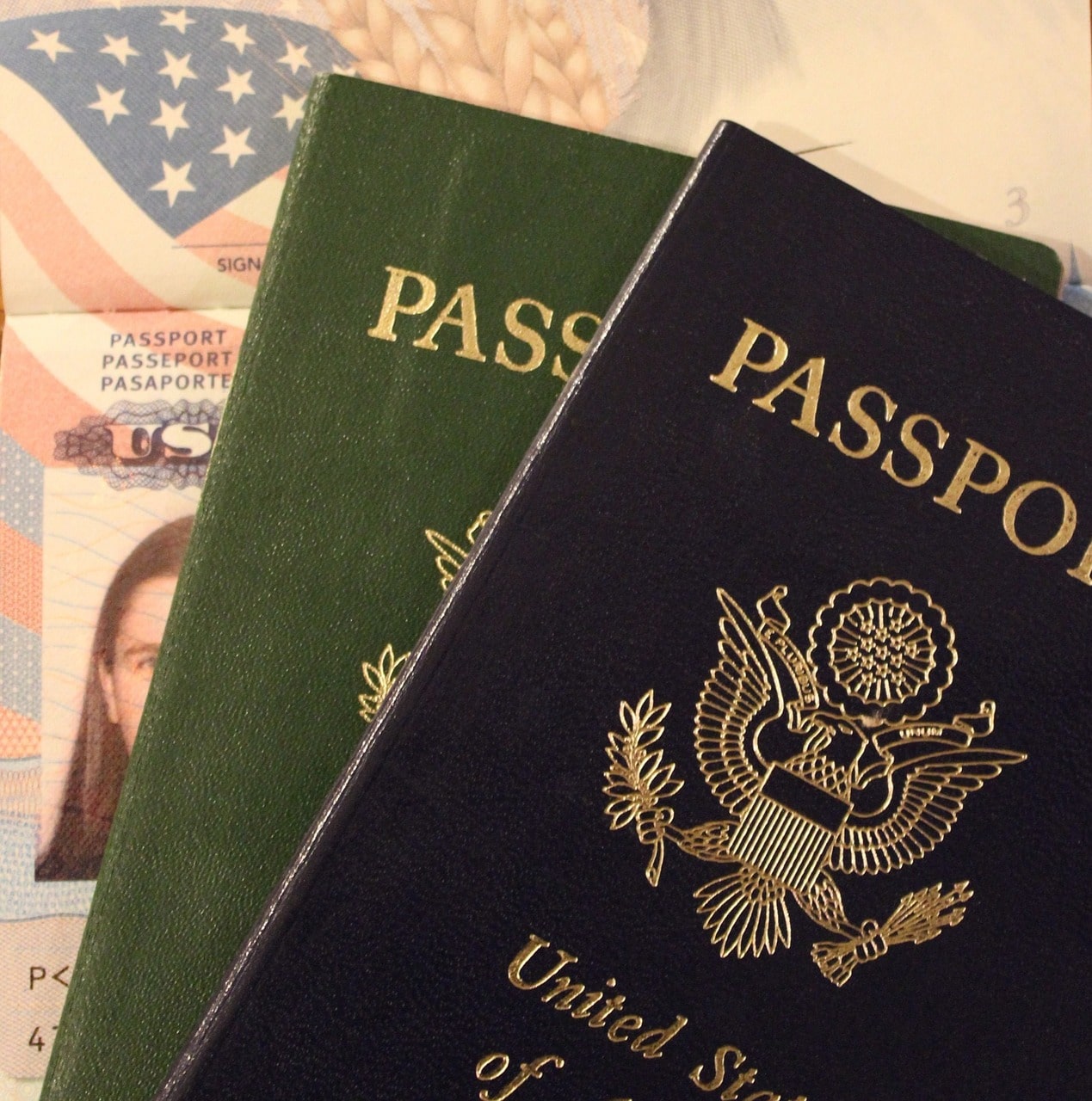
- Valid passport: valid for at least three months after the end of your planned stay.
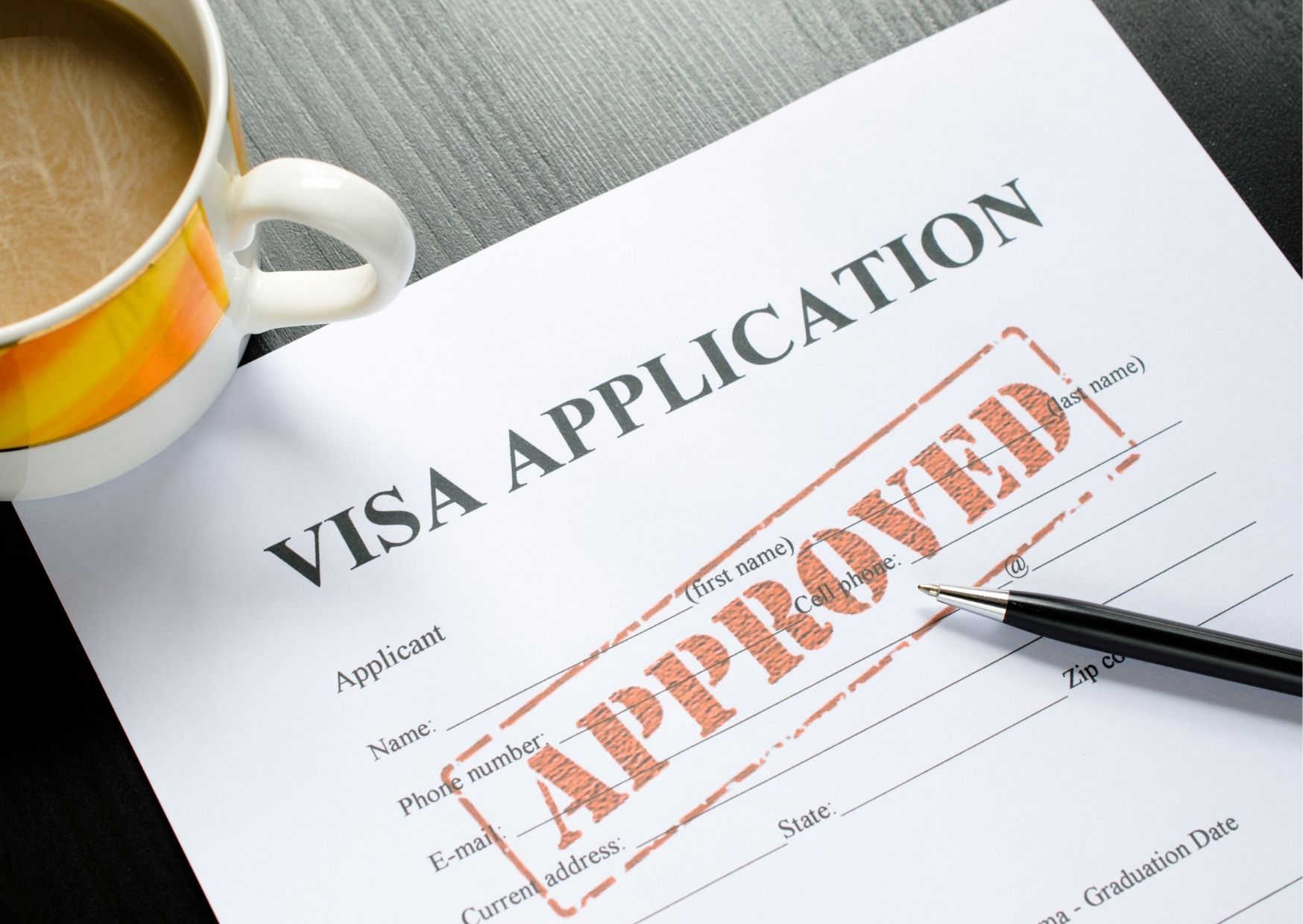
- Completed visa application form: make sure all sections are filled in neatly and accurately.
- Admission letter from your Italian university, official and signed.
- Proof of sufficient funds: bank statements or sponsor letters showing you can support yourself financially.
- Proof of accommodation in Italy
- Health insurance coverage that meets visa requirements.
- Academic documents: official transcripts and certificates of Italian or English proficiency if required.
Note: these are general requirements, but specific consulates sometimes ask for extra documents or translations. Always check the official requirements from your local embassy or consulate for the most accurate list.
Italian student visa rejection reasons: top mistakes to avoid
Student visas get rejected for serious reasons – such as criminal records – but also for things you can easily prevent. These are some of the most common Italian student visa rejection reasons:
Booking the appointment at the embassy too late
If you’re planning to move to Italy to start your study program in September, you should know that applying for your visa in July/August might be too late. Visa processing normally takes at least 30 days, often longer during the summer season. On top of that, securing an appointment at the consulate can take several weeks.
Start moving early: book your visa appointment at least 3-4 months before your planned departure date, this way you won’t have to worry even in case of delays.
Incomplete documents or missing signatures
Even a single missing page, an unsigned form, or a document in the wrong format can lead to rejection. Carefully review every document before submitting your application and double-check that nothing is missing.
Insufficient financial proof
As a student in Italy, you are generally allowed to work a maximum of 20 hours per week. For this reason, Italian authorities need to be sure that you can support yourself financially without relying solely on part-time work.
Vague, incomplete, or inconsistent bank statements are a red flag. You should show stable funds over several months or provide a signed sponsorship letter from your parents explaining how your expenses will be covered.
Health insurance that doesn’t meet the requirements
One thing students tend to overlook is the Italy student visa health insurance requirements, and missing this can lead to rejection even if everything else is perfect.
The health insurance you purchase must:
- be valid for your entire stay in Italy;
- cover medical emergencies, hospitalisation and repatriation;
- be accepted by the consulate (check before buying!);
- be valid in Italy and across the Schengen area.
Insurance that only covers travel or has low benefits almost always results in denial because it doesn’t meet official immigration criteria. So make sure your policy ticks all the boxes before submitting your application.
Lack of proof of accommodation in Italy
You can provide proof of accommodation in different ways, depending on the housing solution you choose.
The simplest option is university housing or a student dormitory. In this case, your university will usually issue an official accommodation confirmation that fully meets visa requirements.
If you plan to look for long-term housing after arriving in Italy, you can submit a temporary accommodation booking instead. A hotel or short-term reservation, typically covering the first few weeks (around one month), is generally accepted as valid proof of accommodation.
If you have already signed a private rental contract with a landlord, make sure to include not only a copy of the lease but also a copy of the landlord’s identification document. Missing this detail is a common oversight that can lead to delays or rejection.
Your study intent isn’t clear
Sometimes visa officers feel your documents aren’t convincingly showing why you want to study in Italy, especially if your plan seems unclear or inconsistent. To avoid this issue, it is strongly recommended to include a statement of purpose. This document should clearly outline your academic background, your study goals, how the selected programme fits into your career plans, and why Italy is the right destination for your education.
You can do this! And WAI can help you
At Welcome Association Italy, we know how frustrating dealing with Italian bureaucracy can be, especially when coming from another country and being unsure about how things work. That’s why we’re here to help you through the entire process of moving to Italy.
Discover our services for international students and explore our free guides to make your transition to Italy smoother and stress-free.