
Women’s Diplomacy in Bolivia: From Ancillary Roles to Political Empowerment
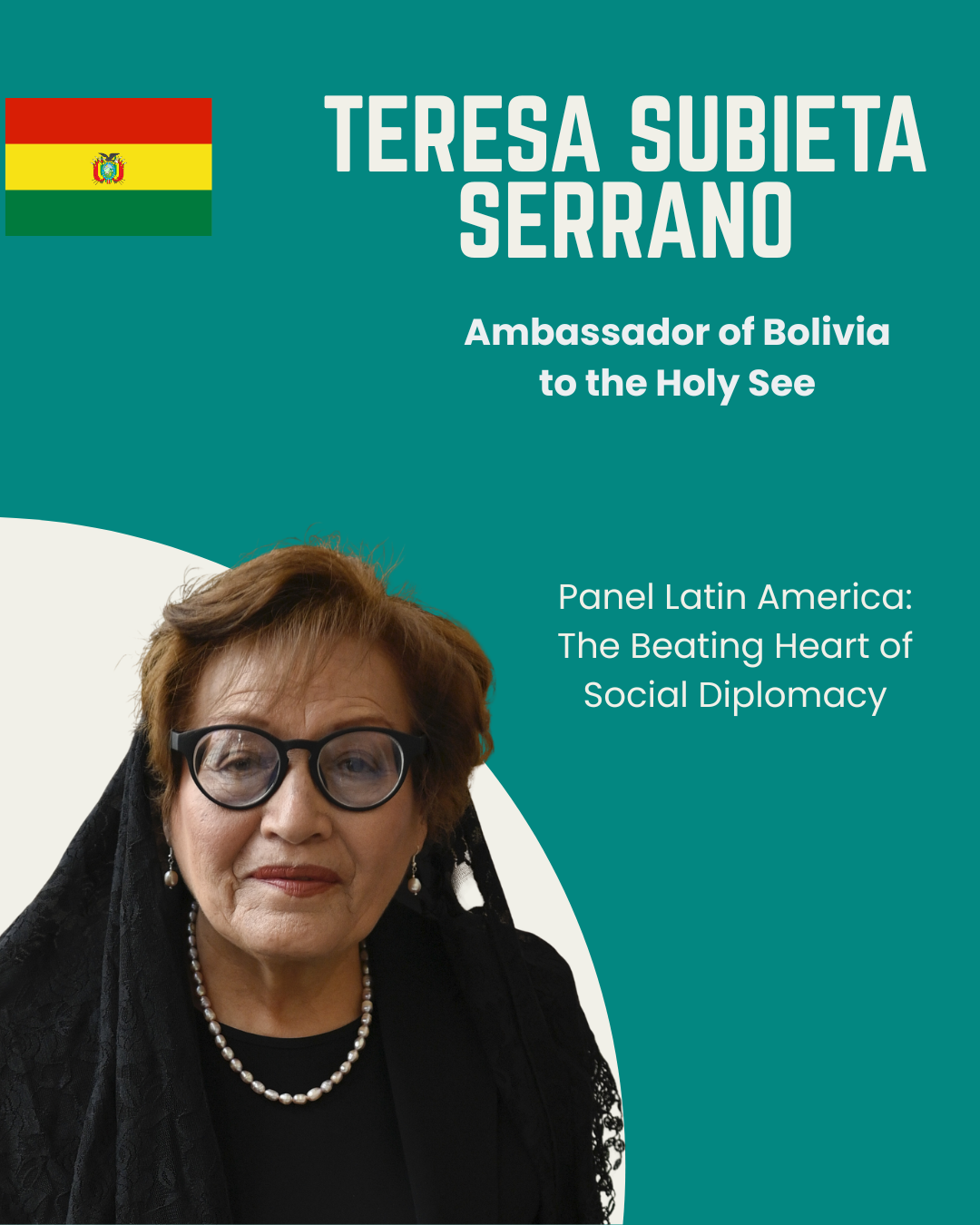
The story of women’s diplomacy in Bolivia, as told by Ambassador Teresa Subietà Serrano
Article by Maddalena Celano
Women’s diplomacy in Bolivia is a path of progressive affirmation that interweaves social struggle, empowerment and political participation.
From its origins in the twentieth century, when women were confined to marginal roles, to today’s indigenous leadership, the story told by Ambassador Teresa Subietà Serrano is a testimony to courage and transformation.
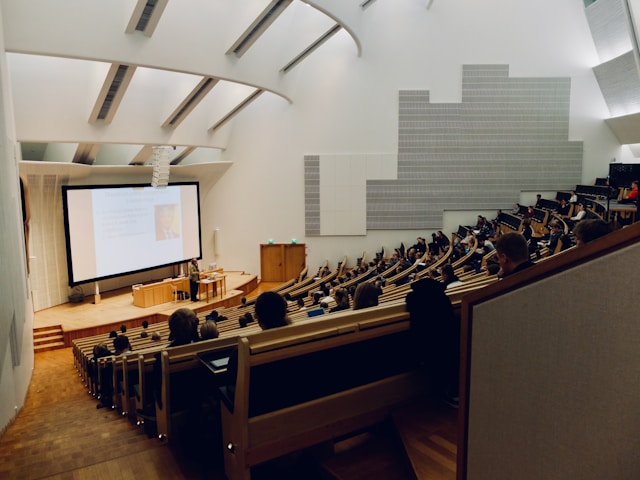
During the International Roundtable “Women and Diplomacy: Voices from the World,” held on Oct. 2, 2025 at LUMSA University in Rome, Ambassador Subietà Serrano shared an exclusive video contribution in which she traced the history of women’s diplomacy in Bolivia and the achievements that have allowed women to assume an increasingly central role in institutions.
From ancillary roles to first conquests
At the beginning of the twentieth century, women in Bolivia were relegated to support tasks: secretarial, front-of-house representation, protocol functions.
Their presence in diplomatic institutions was purely symbolic, lacking real decision-making power.
Women were considered ancillary to male power-a decorative figure rather than a protagonist.
The turning point: Evo Morales and the “Bartolinas”
Real change came with the progressive governments of Evo Morales and the birth of the Bartolinas Movement, founded to strengthen the presence of women in the public sector and political institutions.
The Bartolinas represented a momentous turning point, promoting education, political participation, and advocacy for women’s rights in rural and indigenous communities.
The protagonists of change
Key figures on this path include:
- Lidia Gueiler Tejada, first woman president of Bolivia, who paved the way for women’s political participation at the national level;
- Domitila Barrios de Chungara, mining activist and symbol of the struggle of women workers;
- Sonia Terceros and Julieta Montaño, contemporary indigenous leaders who continue to advocate for women’s dignity and social justice.
A diplomacy of equality and justice
These women’s battles have been about not only access to political institutions, but also:
- wage equality,
- combating gender-based violence,
- representation of indigenous communities,
- Recognition of civil rights.
These advances have transformed women’s diplomacy into an area where women exercise real leadership and influence, bringing a new and inclusive vision to international relations.
Today: a future led by women
Today, women’s diplomacy in Bolivia is no longer an appendage of men’s power.
Women are protagonists in building international relations and shaping domestic policies.
Their story is a testimony to more than a century of struggles and achievements that have redefined the role of women in Bolivian society, charting a future of concrete and lasting leadership.
Watch the video contribution
Watch Ambassador Teresa Subietà Serrano’s full speech during the “Women and Diplomacy: Voices from the World” Roundtable. Watch the video
Link to the event
This contribution stems from the meeting between Welcome Association Italy and one of the protagonists of the International Roundtable “Women and Diplomacy: Voices from the World,” held on October 2, 2025 at LUMSA University in Rome.
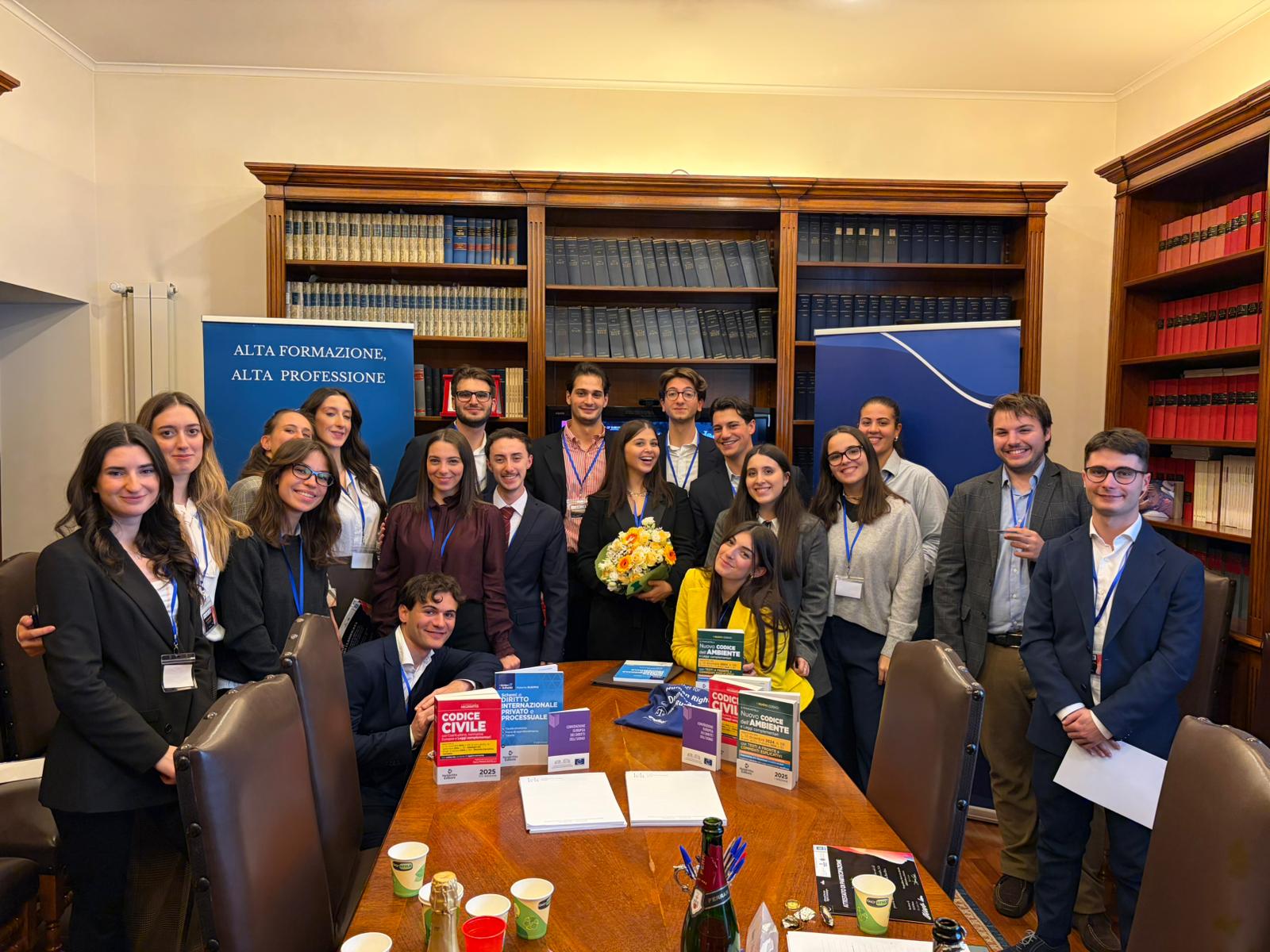
The event brought together female ambassadors from every continent and international student delegations for an intercultural and intergenerational dialogue on the role of women in contemporary diplomacy.