
WAI at “Migration Balance, Migration, Integration” conference at Palazzo Farnese
Chronicle of the meeting, thematic focus and statement by the Deputy National Secretary
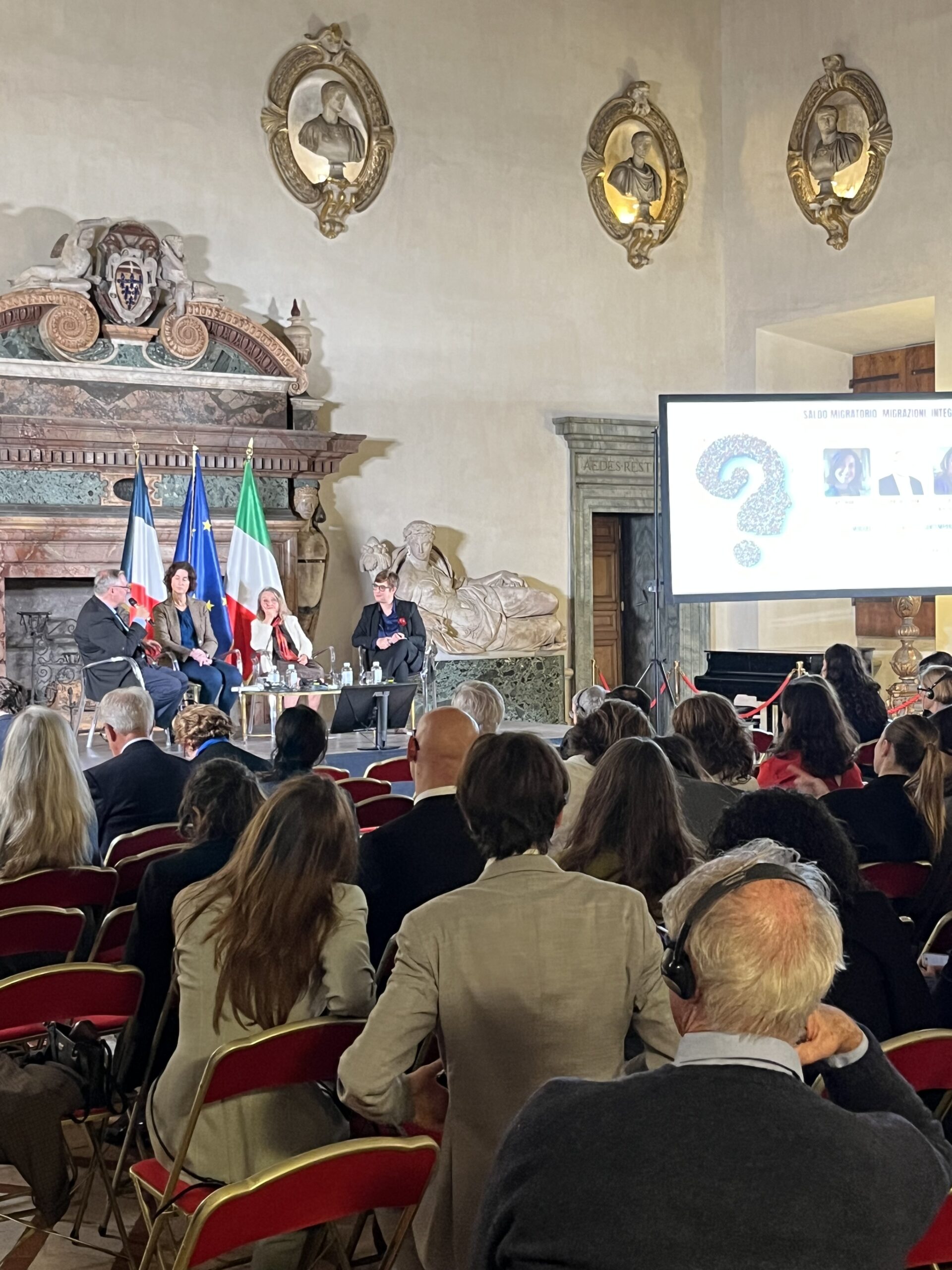
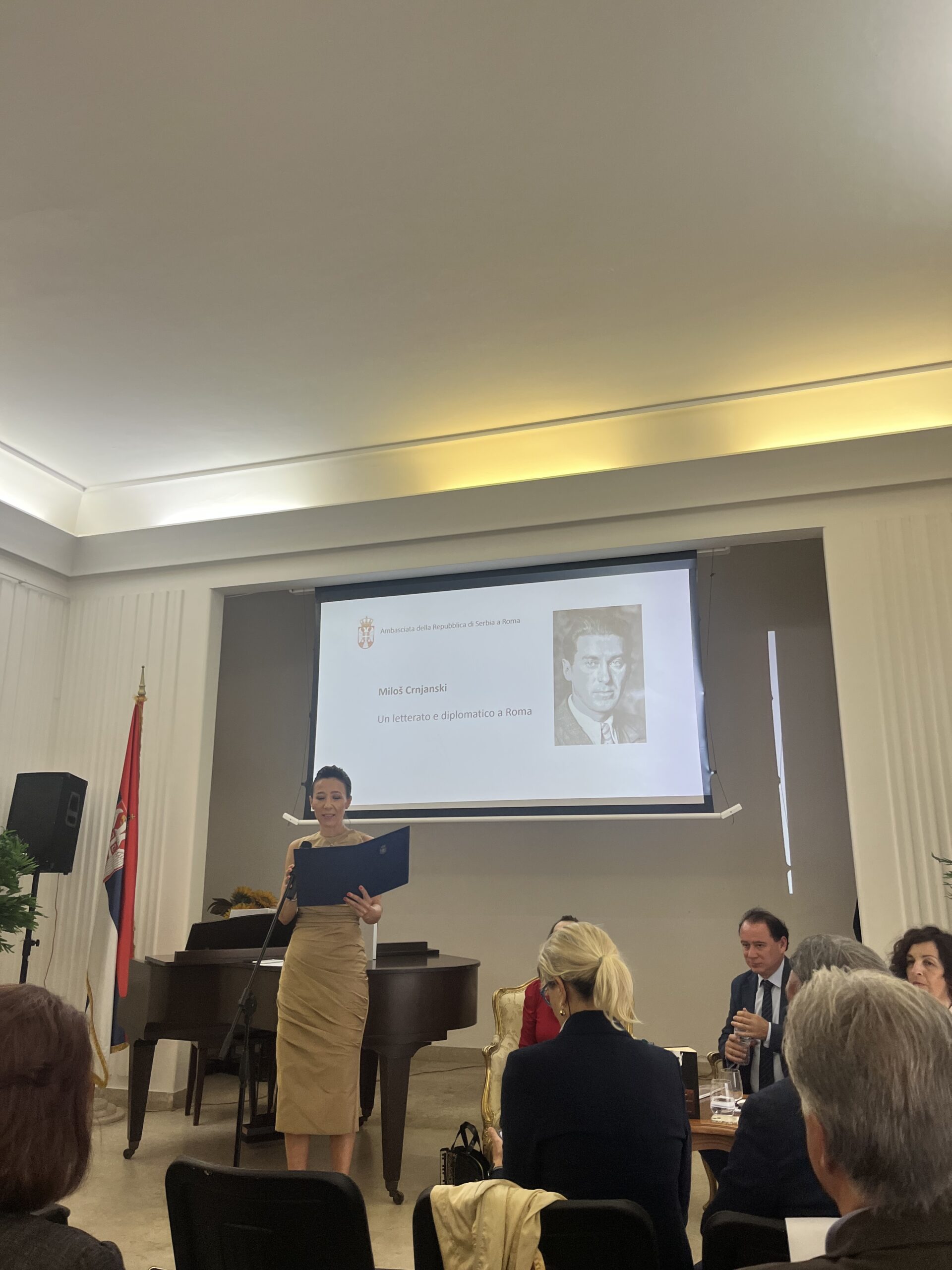
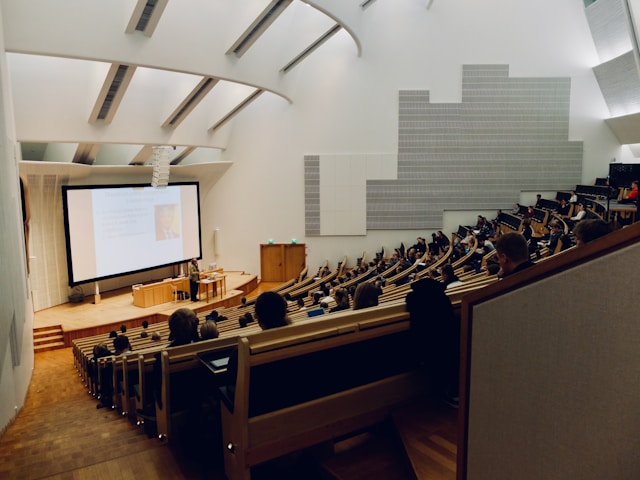
Rome, Oct. 24, 2025 – Yesterday, Thursday, Oct. 23, 2025 (6:30 p.m. to 8:00 p.m.), the conference “Migration Balance, Migration, Integration,” an appointment of the cycle “Italian-French Meetings on Tomorrow’s World – The Challenge of Generations / Thinking the Demographic Transition,” sponsored by theInstitut français Italia / Embassy of France, was held at Palazzo Farnese (Rome).
WAI was present with Carlo Palumbo, Deputy National Secretary.
Program and speakers
- Elena Ambrosetti (Sapienza University of Rome) – Demographer, framed the migration balance as a decisive component of Italy’s demographic dynamics, illustrating how inbound/outbound movements affect age structure, birth rate and territorial imbalances.
- François Héran (Collège de France) – Sociologist and demographer, recalled the role of statistical evidence in reading migration from a comparative European perspective, with reference to long-term trends and the need for data-anchored policies.
Topics covered
- Migration balance and demographics: effects on average age, labor force, and service programming; differences between temporary mobility (study/work) and permanent settlement.
- Integration and services: access to education, community health, housing, and multilingual information as enablers.
- Quality of public debate: centrality of verifiable sources and shared metrics to avoid emergent readings.
Meeting format
Introductory talks by speakers and dialogic lecture with Q&A on: Italy/France comparisons (fertility, average age, migration), local spillovers in university cities, and the role of international student human capital.
Statement by Carlo Palumbo (WAI)
“We followed a rigorous and well-documented comparison. For those working alongside international students, it is useful to see how
demographic data help to understand the context in which study, mobility and local services are intertwined. We return with a clearer framework within which to read the information and guidance needs of student communities.”