
Dialogue between Diplomacy and New Generations: Successful Meeting Sponsored by Welcome Association Italy (WAI).
Author: Maddalena Celano
A meeting between diplomacy and international students
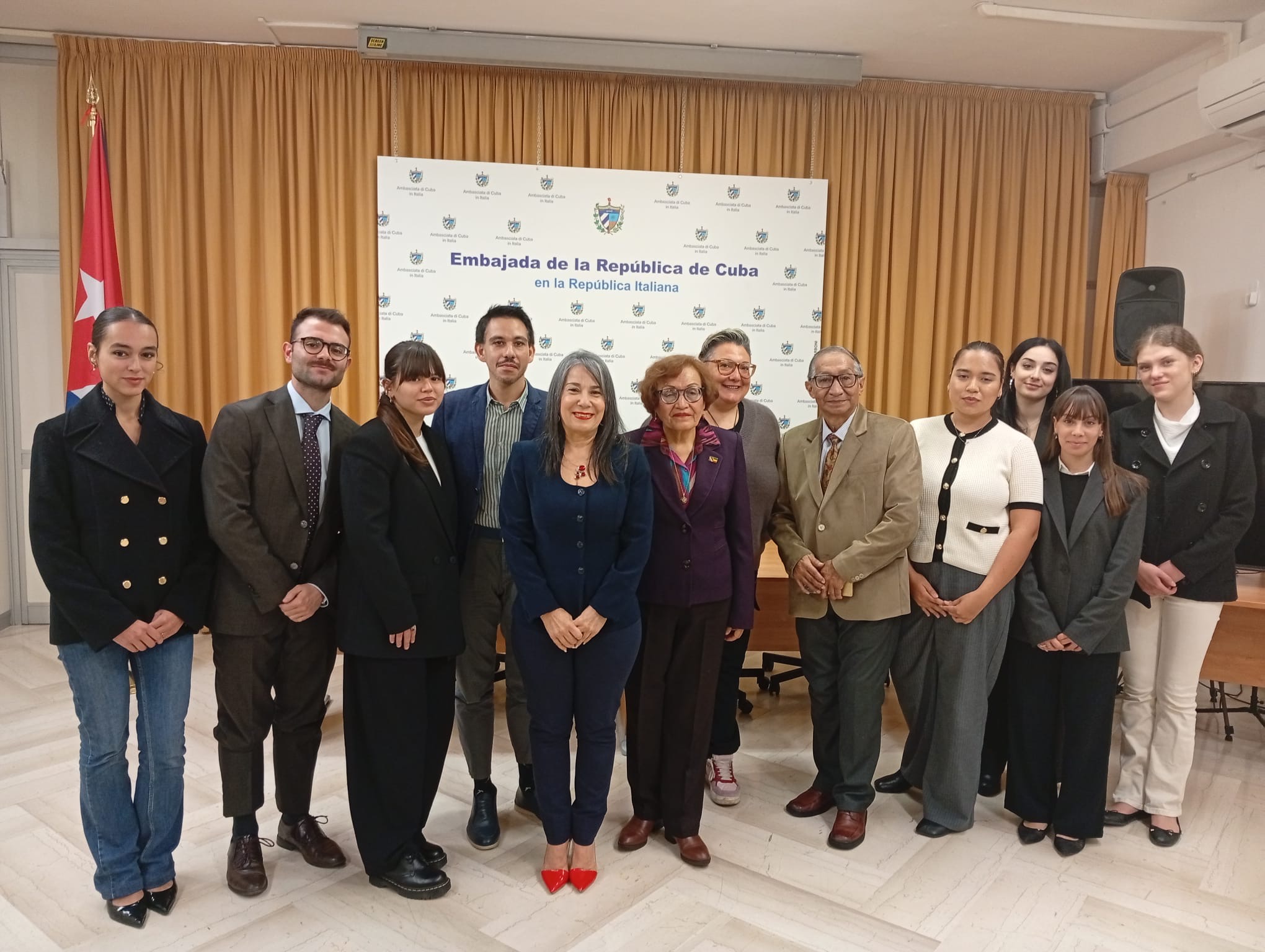
Rome, Oct. 30, 2025 – An important meeting was held at the Embassy of the Republic of Cuba in Italy to renew the link between diplomatic representations and international students.
The initiative, sponsored by Welcome Association Italy (WAI), is part of the path of dialogue initiated earlier during the roundtable discussion “Women and Diplomacy: Voices from the World.”
The event featured the prominent participation of H.E. Mirta Granda Averhoff, Ambassador of Cuba to Italy, who received a plaque of appreciation for her adherence to the path of cultural, diplomatic and academic cooperation promoted by WAI.
Institutional presence and diplomatic contributions
The meeting was also attended by H.E. Teresa Subieta Serrano, Ambassador of Bolivia to the Holy See, whose presence reinforced the international and inclusive dimension of the WAI pathway, emphasizing the importance of a diplomacy open to dialogue with new generations.
During the speeches, the two ambassadors shared personal experiences on the role of women in diplomacy, answering students’ questions with great clarity.
They said they had not encountered any direct obstacles in their path, but agreed that there were personal sacrifices and difficulties in balancing private life and career.
Ambassador Serrano told how her career has often forced her to live away from her husband and family for long periods.
The Ambassador of Bolivia offered a unique perspective on diplomacy at the Holy See, a context historically characterized by strong formalism and ceremonial rigor.
She recalled how, in the past, there were very few women ambassadors, but pointed out that-thanks to the changes introduced by Pope Francis- concrete and positive improvements are taking place.
The Cuban perspective: women, training and leadership
Cuba’s Ambassador, H.E. Mirta Granda Averhoff, a nuclear engineer by training, answered numerous questions on the topic of gender equality, offering the Cuban view.
She explained that women in Cuba have achieved decision-making and power roles due to a definite political will and targeted training aimed at fostering their active participation in public life.
While acknowledging that the country is not without its limitations, she pointed out that institutional attention and supportive policies allow women to more easily access positions of responsibility.
According to the Ambassador, this approach contrasts with the situation in some Western European countries, where the climate remains more closed or competitive for women who aspire to top roles.
He also answered geopolitical questions, analyzing:
- The growing influence of countries in the global South;
- The dynamics of multipolarity;
- The role of Cuba and Latin America in the new international balances.
The role of student associations
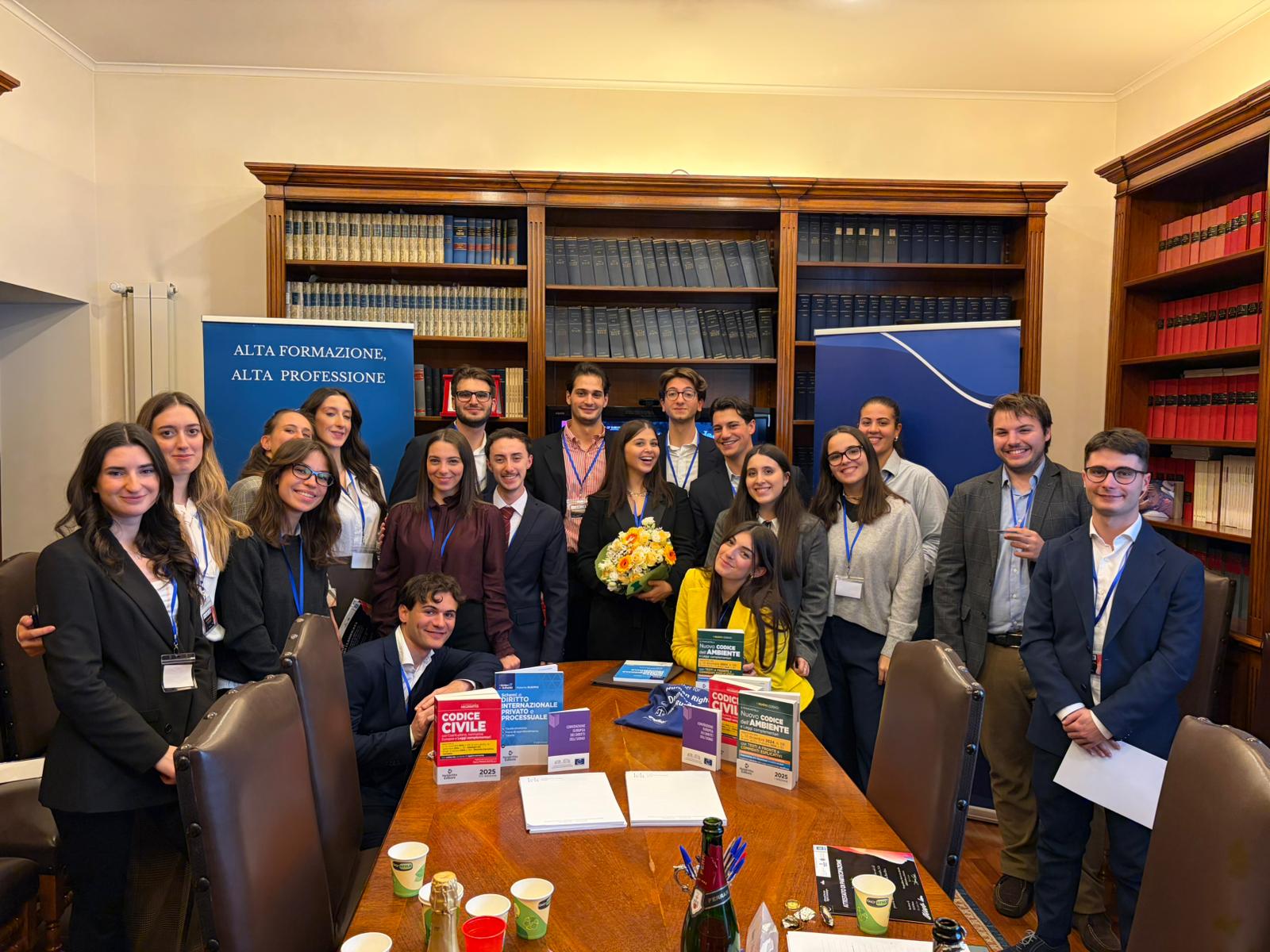
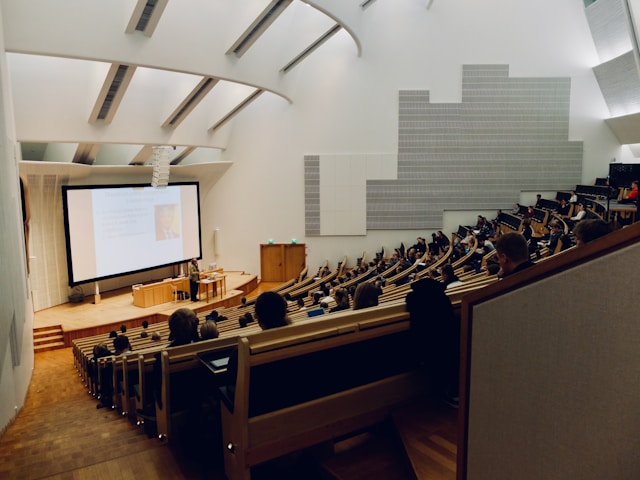
The initiative represented a new moment of direct dialogue between diplomacy and international students.
Delegations from the following university associations participated:
- Students Diplomatic Association (LUISS)
- European Youth Network (LUISS)
- International Networking Association (LUISS)
- International Relations Innovation and Sustainability (Wisdom)
Students asked the Ambassadors direct questions on topics such as:
- multilateral diplomacy;
- South-South cooperation;
- Women’s role in international relations;
- Value of culture as an instrument of peace.
Also among the highlights was the debate on the new global order:
students were asked for their views on the growing relevance of the BRICS as an alternative or complement to traditional multilateralism and how emerging powers are addressing the environmental crisis in the context of a multipolar world.
Statements and reflections
Maddalena Celano, who coordinated the event and served as Latin America panel leader, commented:
“The students were very participatory, and many interesting questions were asked, including the significance and role of women in diplomacy. The two ambassadors responded with great sensitivity, recounting their personal experiences and offering insights into pressing global challenges such as climate change and the international power structure.”
Future prospects and WAI’s commitment
Carlo Palumbo, Deputy National Secretary of Welcome Association Italy, expressed great satisfaction:
“We are very happy about this new meeting that renews the link between diplomatic representations and international students. Direct confrontation with high-profile figures such as Ambassador Granda Averhoff is a valuable opportunity for young people to gain a closer understanding of the values of diplomacy and the central role of cultural cooperation in a world in transition to multipolarity and committed to addressing the climate crisis.”
With this appointment, WAI continues its commitment to building bridges between universities, diplomatic representations and student communities, with the goal of building an inclusive ecosystem capable of combining education, intercultural experiences and personal growth.